
In the world of natural supplements, few substances generate as much curiosity and debate as shilajit. This dark, tar-like substance has been revered in traditional Ayurvedic medicine for thousands of years, earning the Sanskrit name meaning “conqueror of mountains and destroyer of weakness.” But in our modern, evidence-based world, the critical question remains: does shilajit actually work?
This comprehensive analysis examines the current scientific evidence, potential benefits, safety concerns, and practical considerations surrounding shilajit supplementation. Whether you’re considering adding this ancient remedy to your wellness routine or simply seeking to understand the hype, this article provides the balanced perspective you need.
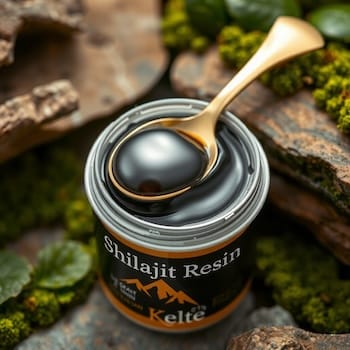
Shilajit is a sticky, resinous substance that forms over centuries in the rocky crevices of high mountain ranges, particularly in the Himalayas, Altai, Caucasus, and other mountainous regions. This bioactive compound develops through the slow decomposition of plant matter, creating a complex mixture of organic and inorganic components.
The formation process of shilajit is remarkably slow, taking hundreds to thousands of years. As plant materials decompose in these harsh mountain environments, they undergo natural processing that concentrates various bioactive compounds. The result is a substance that varies in color from dark brown to black and has a distinctive, somewhat bitter taste.
Key components of shilajit include:
The composition of shilajit can vary significantly depending on its geographic origin, the specific plant materials involved in its formation, and environmental factors such as altitude and climate. This natural variation makes standardization challenging but also contributes to the substance’s complexity and potential therapeutic properties.
Modern scientific research on shilajit has revealed both promising possibilities and significant limitations. While traditional uses span thousands of years, rigorous clinical studies remain relatively scarce. According to medical experts, including those from the Cleveland Clinic, the current evidence base is limited and often methodologically flawed.
Research challenges include:
Despite these limitations, several areas of research have shown preliminary promise. Laboratory studies have demonstrated various biological activities, though translating these findings to real-world human benefits remains uncertain.
The fulvic acid content in shilajit appears to be responsible for many of its purported effects. This organic compound has demonstrated antioxidant properties in test-tube studies, but researchers emphasize that laboratory results don’t always translate to meaningful health benefits in humans.
One of the most intriguing areas of shilajit research involves its potential effects on cognitive health. A 2023 laboratory study found that shilajit from northern Chile might help slow the progression of Alzheimer’s disease by affecting amyloid protein formation in the brain.
The proposed mechanisms include:
However, it’s crucial to understand that these findings come from laboratory studies, not human trials. The leap from test-tube results to real-world cognitive benefits requires extensive clinical research that hasn’t yet been completed.
Traditional Ayurvedic medicine has long used shilajit as a rasayana - a substance believed to enhance vitality and reduce fatigue. Some preliminary studies suggest shilajit supplementation might help with chronic fatigue syndrome by modulating the hypothalamic-pituitary-adrenal axis and supporting mitochondrial function.
Small-scale research has indicated potential benefits for:
These findings, while encouraging, come from limited studies with small participant groups. More robust clinical trials are needed to establish definitive benefits for energy and fatigue management.
Perhaps the most studied application of shilajit relates to male fertility and reproductive health. Several small studies have suggested potential benefits, including increased testosterone levels and improved sperm parameters. However, most of these studies are over a decade old and involve very small sample sizes.
| Study Focus | Findings | Limitations |
|---|---|---|
| Testosterone levels | Some increase observed | Small sample sizes, short duration |
| Sperm count | Potential improvement | Limited participant numbers |
| Sperm motility | Mixed results | Inconsistent methodologies |
While these preliminary findings are interesting, they don’t constitute definitive proof of efficacy. Men considering shilajit for reproductive health should consult healthcare providers and consider proven treatments first.
One of the most significant safety concerns with shilajit relates to contamination with heavy metals and other toxic substances. Raw shilajit often contains harmful compounds that make it unsuitable for human consumption without proper processing.
Common contaminants found in raw shilajit include:
A concerning 2025 study found that some processed shilajit supplements actually contained higher levels of toxic heavy metals than raw varieties, highlighting the importance of third-party testing and quality assurance.
While processed shilajit appears to be relatively well-tolerated in recommended doses, some users have reported adverse effects. The limited post-marketing surveillance of supplements means comprehensive side effect data is scarce.
Commonly reported side effects include:
More serious but rare complications have been documented, including cases of pseudohyperaldosteronism, which can cause high blood pressure and electrolyte imbalances.
Shilajit may interact with certain medications, particularly diabetes drugs. The supplement appears to have blood sugar-lowering effects, which could potentially cause hypoglycemia when combined with diabetes medications.
People who should avoid shilajit include:
Given the contamination risks and lack of FDA regulation for supplements, choosing a high-quality shilajit product is crucial. Look for products that have undergone independent third-party testing and provide certificates of analysis (COA).
Quality indicators include:
For those seeking a premium option, 5 Elementum Best Himalayan Shilajit represents a carefully processed product that undergoes rigorous quality testing to ensure purity and potency.
Most clinical studies have used shilajit doses ranging from 200-500 mg daily, typically taken for 8-48 weeks. However, optimal dosing hasn’t been established through comprehensive clinical trials. The variation in shilajit composition makes standardized dosing recommendations challenging.
| Form | Typical Dose Range | Duration |
|---|---|---|
| Powder | 200-500 mg daily | 8-48 weeks |
| Resin | 300-500 mg daily | As recommended |
| Capsules | 250-500 mg daily | Follow manufacturer guidelines |
The question “does shilajit work?” doesn’t have a simple yes or no answer. The current scientific evidence suggests potential benefits in several areas, but the research quality and quantity remain insufficient to make definitive claims about efficacy.
Promising areas with preliminary evidence:
Significant limitations:
Medical experts, including those from leading institutions, generally recommend caution regarding shilajit supplementation. As noted by researchers from the WebMD database, there is currently “no good scientific evidence” to support most claimed uses of shilajit.
Healthcare providers typically suggest:
The scientific community continues to investigate shilajit’s potential therapeutic applications. Future research priorities include:
These studies will be crucial for determining whether shilajit’s traditional uses translate to measurable health benefits in modern clinical settings.
If you’re considering shilajit supplementation, approach the decision with realistic expectations and proper medical guidance. While the supplement may offer some benefits, it’s not a miracle cure or substitute for proven medical treatments.
Before starting shilajit:
If you decide to try shilajit under medical supervision, careful monitoring is essential. Keep track of any changes in your health, energy levels, or symptoms, and report any adverse effects to your healthcare provider immediately.
Signs to watch for:
The question of whether shilajit works remains partially unanswered by current scientific evidence. While this ancient substance shows promise in laboratory studies and small-scale clinical trials, the research foundation isn’t robust enough to support many of the health claims commonly associated with shilajit supplementation.
The most honest assessment is that shilajit might work for certain applications, but we need more high-quality research to know for sure. The preliminary evidence is intriguing enough to warrant continued investigation, but not strong enough to recommend shilajit as a primary treatment for any specific health condition.
For consumers interested in exploring shilajit’s potential benefits, the key is approaching supplementation with appropriate caution, medical supervision, and realistic expectations. Focus on choosing high-quality, third-party tested products, and remember that traditional use, while valuable, doesn’t automatically translate to proven clinical efficacy.
As the scientific understanding of shilajit continues to evolve, we may eventually have clearer answers about its therapeutic potential. Until then, the wisest approach combines respect for traditional knowledge with healthy skepticism and reliance on evidence-based medicine for serious health concerns.
The story of shilajit serves as a reminder that the journey from traditional remedy to proven medicine is complex and requires rigorous scientific validation. While we wait for more definitive research, consumers can make informed decisions by understanding both the potential and the limitations of this fascinating mountain substance.